
Connector Industry Alert: How Soaring Gold, Silver, and Copper Prices Impact Pogo Pin Costs and Pricing?
Connector Industry Under Volatile Raw Material Prices
Recently, the international precious metals and non-ferrous metals markets have entered a new upward cycle. COMEX gold futures prices have repeatedly hit record highs, while copper prices on the London Metal Exchange (LME) have also surged significantly. As core raw materials for electronic connectors, the price trends of metals such as gold, silver, and copper directly impact the production costs and final prices of Pogo Pin (spring pin) connectors.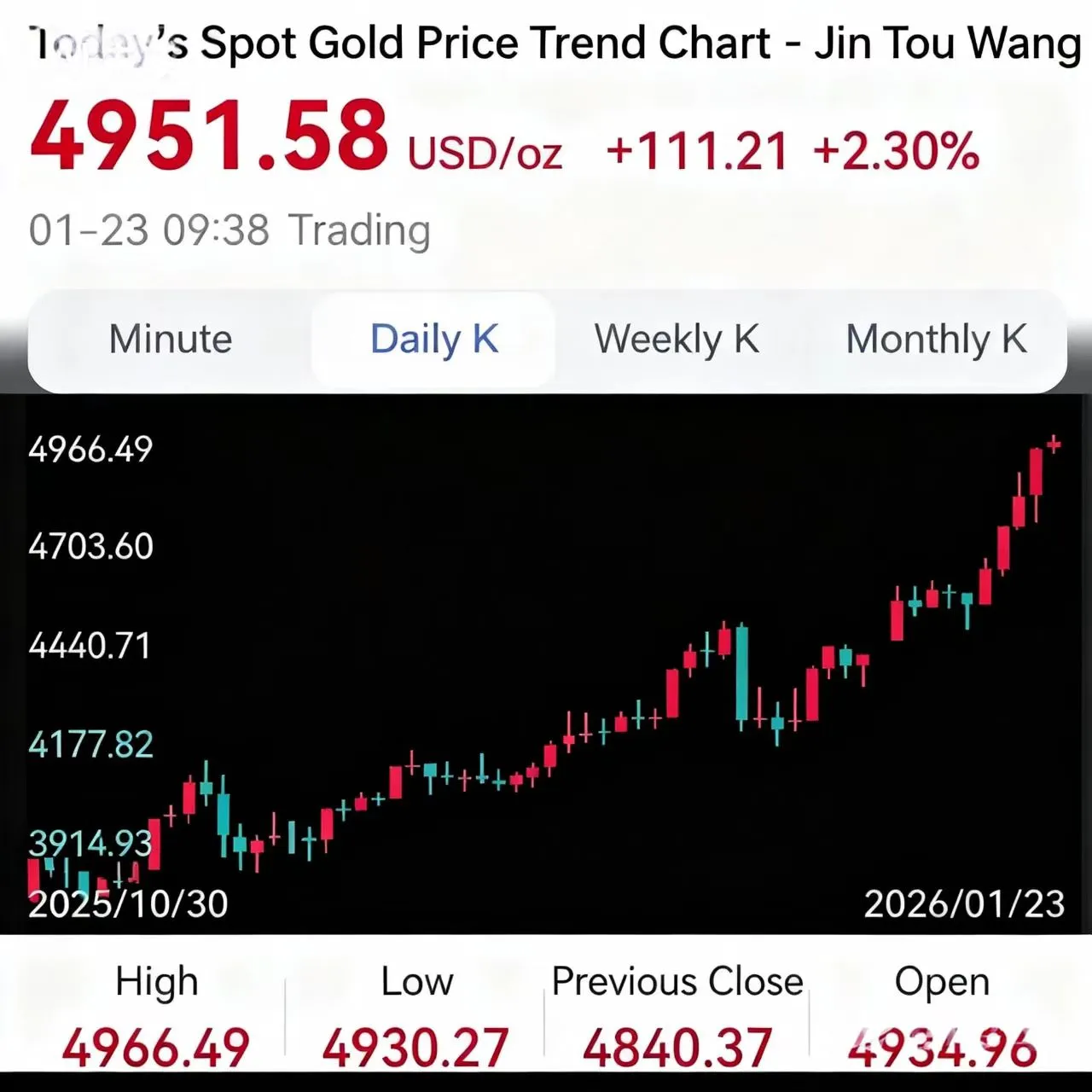
It is well known that the core material composition of Pogo Pin includes:
Contact Terminal Material: Typically copper alloy (phosphor bronze, beryllium copper) substrate + surface plating (gold, nickel, tin, etc.)
Key Plating Material: The thickness of the gold plating directly affects contact resistance and durability (commonly 0.1–3μm)
Spring Material: Stainless steel wire or special spring alloy
Auxiliary Materials: Plastic housing, insulating materials, etc.
The rise in copper prices has also triggered a chain reaction:
Substrate Cost Pressure:
The price of phosphor bronze rises in sync with electrolytic copper.
Beryllium copper alloy prices are even more significantly affected (due to higher copper content).
Managing raw material inventory costs has become critically important.
Processing Cost Transmission:
Copper material processing fees have increased.
Precision turning and stamping costs have risen.
Changes in scrap recycling value impact net costs.
Long-Term Industry Development Trend Forecast: Price Trend Judgment
Short Term (6–12 months): Pogo Pin prices will maintain an upward trend.
Medium Term (1–2 years): As new material technologies mature, prices may stabilize.
Long Term (3–5 years): Technological advancements are expected to partially offset raw material cost pressures.